
Last Updated: November 21, 2026
Quick Summary
Attic ventilation is worth the cost for most homes because a hot attic heats the living space below and shortens roof life. It moves air through the attic so heat and humidity leave, keeping the space closer to outdoor temperature. Whether it pays off depends on whether the attic already runs hot and is well sealed.
- Intake vents at the soffits let cool air in, and exhaust vents at the ridge or gables let hot air out.
- Without adequate ventilation, moisture condenses on cold surfaces and can lead to rotted sheathing and mold.
- Passive vents cost little to run and have no moving parts, but depend on wind and temperature differences.
- Attic fans can lower temperatures faster on hot days but add electricity use and can pull conditioned air from the house.
- Solar attic fans avoid wiring but their output drops on cloudy days.
Table of Contents
- Attic Fan Pros and Cons Compared to Passive Vents
- What Happens If an Attic Is Not Ventilated and What It Costs
- Cost of Attic Fan Installation and Whether Solar Fans Pay Off
- Frequently Asked Questions
Attic ventilation is worth the cost for most homes, and the reason is simple: a hot attic cooks everything beneath it. Attic problems tend to repeat across roofs and homes, and the same issues come up again and again. Heat and moisture trapped under the roof deck shorten shingle life and drive up cooling bills.
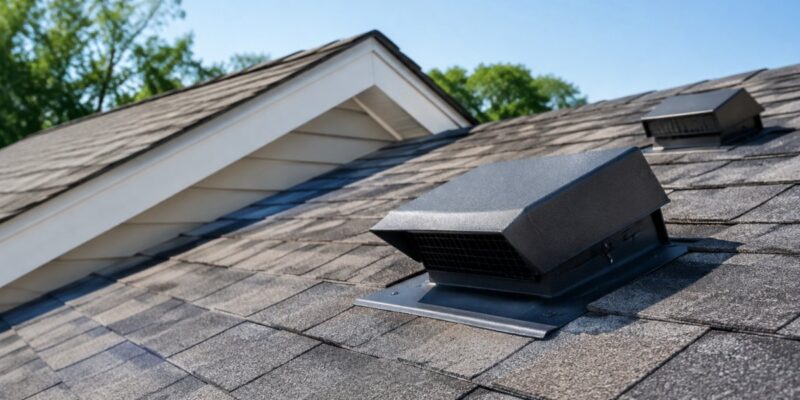
Attic ventilation moves air through the space so heat and humidity leave instead of building up. Intake vents at the soffits let cool air in, and exhaust vents at the ridge or gables let hot air out. When that airflow is balanced, the attic stays closer to outdoor temperature. When it is not, a summer attic can run far hotter than the rooms below.
Heat buildup is the main reason homeowners look at ventilation at all. On a sunny day, dark shingles can make the attic many degrees hotter than outside air. That heat radiates down into the living space and makes second-floor rooms harder to cool.
Attic Fan Pros and Cons Compared to Passive Vents
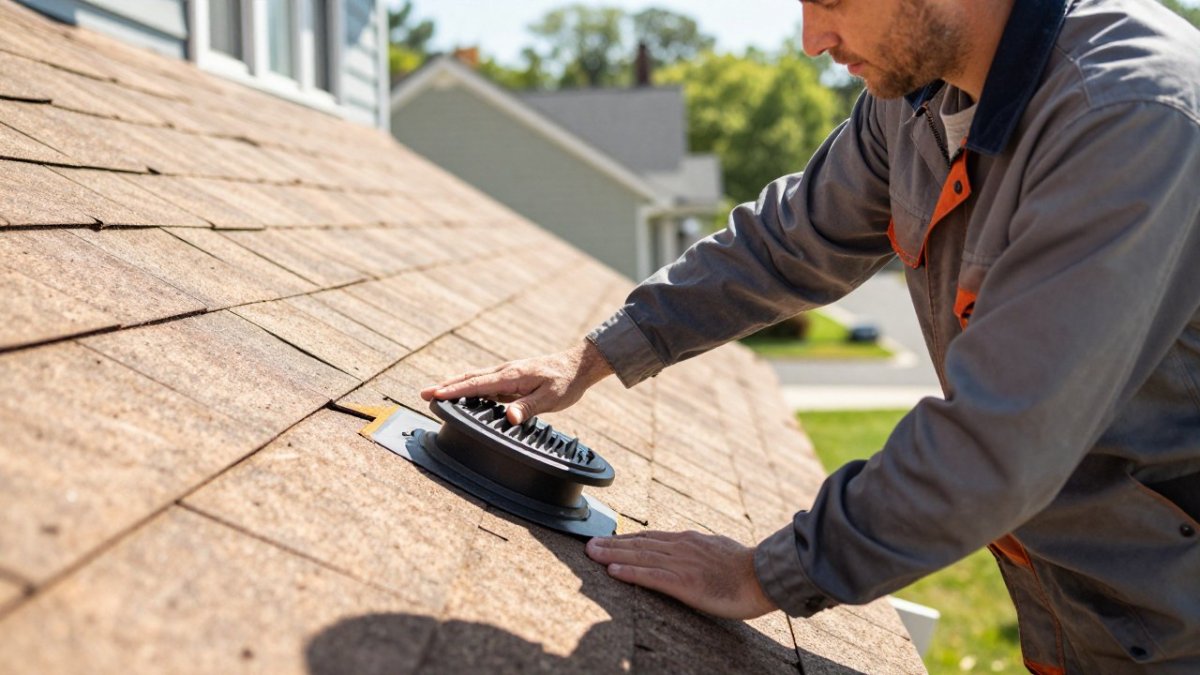
Passive vents rely on natural convection and wind, so they cost little to run and have no motor to fail. Powered attic fans pull air actively, which helps in calm weather, but they add electricity use and another part that can wear out. Neither option is automatically better.
Pros of attic fans:
- Move air even when there is little wind
- Can lower attic temperatures faster on hot days
- Available as solar-powered units that avoid wiring
Cons of attic fans:
- Add operating cost through electricity use
- Can pull conditioned air from the house if the attic is not sealed
- Need a balanced intake, or they can starve the roof of airflow
Pros of passive vents:
- Low cost and no moving parts
- No electricity needed
Cons of passive vents:
- Performance depends on wind and temperature differences
- Can fall short on very hot, still days
The trade-offs between powered fans and passive vents come down to a few practical differences.
| Option | Best for | Key difference |
|---|---|---|
| Passive vents | Low cost, no electricity | Depend on wind and temperature difference |
| Attic fans | Calm weather, faster cooling | Add electricity use and a motor that can wear out |
| Solar attic fans | Avoiding new wiring | Output drops on cloudy days |
What Happens If an Attic Is Not Ventilated and What It Costs
Without adequate ventilation, moisture from the living space rises into the attic and condenses on cold surfaces. You can review the signs of attic moisture damage and what a repair estimate covers on our Residential Roof Repair Services in Anne Arundel County page. Over time that can lead to wet insulation, rotted sheathing, mold growth and ice dams in winter. Shingles also age faster when baked from below.
The exact cost of repairing that damage depends on how much decking and insulation has been affected, so a professional inspection is the best way to estimate it. Homeowners can also check the attic themselves for condensation staining, musty odors and warped sheathing. You can get a sense of what repair work involves through our Residential Roof Repair Services in Anne Arundel County page, which covers the signs that point to repair or replacement.
Watch out: Sealing every gap without adding intake vents can trap moisture. A ventilation system needs both intake and exhaust to work.
Cost of Attic Fan Installation and Whether Solar Fans Pay Off
Pricing depends on the fan type, roof layout and whether new wiring is needed, so contact Madrid’s Contracting for a quote. Solar units avoid electrical work but depend on sunlight, so they run best on south- or west-facing roof sections. Electric fans need a wiring run and typically a thermostat or humidistat control.
To judge whether a fan pays off, compare the upfront cost against the electricity it uses and the cooling savings it produces. A simple way to start is to estimate the fan’s monthly kilowatt-hour use, multiply by your local electric rate, and then compare that operating cost against your current cooling bill. Many homeowners find that a fan pays off only when the existing attic is already hot and well sealed. If the attic runs cool, passive vents may be enough.
Solar fans have a lower operating cost but a higher upfront cost in many cases, and their output drops on cloudy days. Electric fans cost more to run but perform consistently. Madrid’s Contracting can scope the right option after an inspection, and you can request a quote through our How Do You Find a Reputable Local Contractor? checklist, which covers license checks and estimate comparisons. For a sense of comparable local work, see our Concrete in Severna Park, MD 21146 on 11/14/26 project.
Frequently Asked Questions
Are attic vents a good idea?
Yes, in most homes. Balanced intake and exhaust vents let hot air leave the attic and keep moisture from condensing on the roof decking. Ridge vents paired with soffit vents are the most common setup. Vents cost far less than a powered fan, and they run without electricity. Whether a home needs more ventilation depends on attic size, insulation, and existing vents, so an inspection is the best starting point before adding any new openings.
Are solar attic fans worth it?
Solar attic fans can be worth it when the attic is hot, the roof gets strong sun, and existing vents cannot move enough air. They avoid adding to your electric bill, but the purchase and installation cost is typically higher than a passive vent upgrade. Before buying, confirm your attic has enough intake airflow, since an exhaust fan with no intake can pull conditioned air from the house. Pricing varies by model and roof, so ask for a written quote.

